

36 inch led mirror
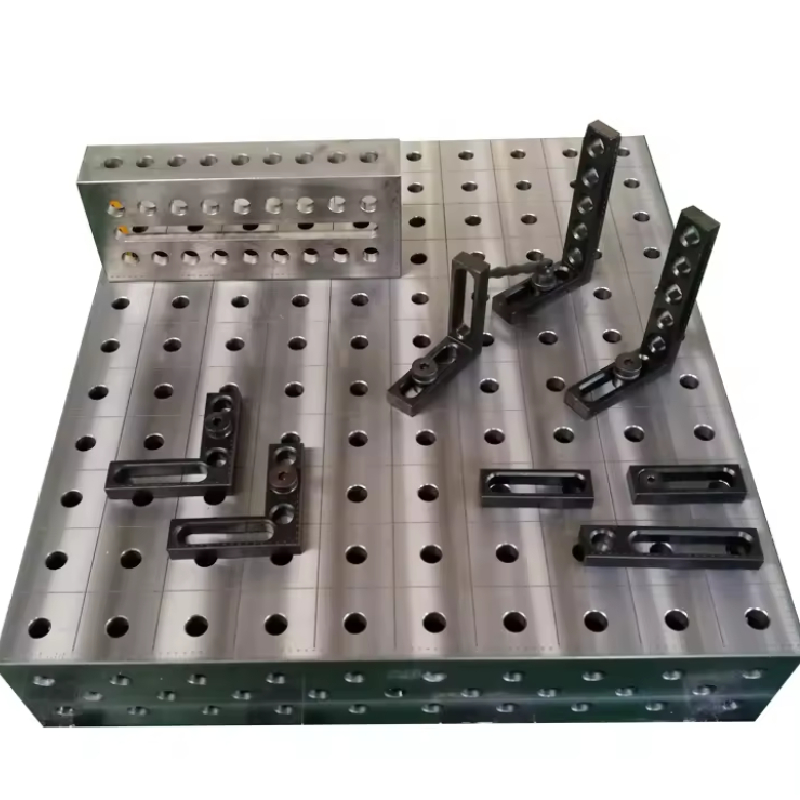
The Importance of Precision Cast Iron Surface Plates in Manufacturing In the realm of manufacturing and engineering, precision plays a crucial role in ensuring the quality and accuracy of products. One of the essential tools used to achieve this level of precision is the surface plate, particularly those made from cast iron. A precision cast iron surface plate serves as a flat reference surface for measuring and verifying the accuracy of tools, parts, and assemblies. Its significance in manufacturing cannot be overstated, and this article will explore the features, benefits, and applications of precision cast iron surface plates. Features of Precision Cast Iron Surface Plates Precision cast iron surface plates are known for their outstanding stability, durability, and rigidity. The primary material—cast iron—provides not only the necessary weight but also excellent vibration dampening properties. These properties are vital when it comes to minimizing the impact of external disturbances while measuring. The manufacturing process for these plates typically involves advanced casting techniques, which ensure that the surfaces are incredibly flat and free from any imperfections. Moreover, precision surface plates go through a rigorous calibration and finishing process. The surface flatness tolerance is typically expressed in micro-inches, enabling manufacturers to achieve unbelievably accurate measurements. This level of precision is critical in applications where even slight deviations can lead to significant operational issues. Benefits of Using Precision Cast Iron Surface Plates One of the foremost benefits of precision cast iron surface plates is their ability to provide a stable reference point. When performing tasks such as layout work, machining, or inspection, a flat surface ensures that measurements taken are accurate and consistent . This reliability is paramount for industries where precision engineering is crucial, including aerospace, automotive, and medical device manufacturing. precision cast iron surface plate Another key advantage is the longevity of cast iron surface plates. With proper care and maintenance, these plates can last for decades. Their durability means less frequent replacements and repairs, translating to cost savings for manufacturing operations. Additionally, cast iron’s natural anti-corrosive properties also enhance the longevity of these plates, making them suitable for various environmental conditions. Applications in Various Industries Precision cast iron surface plates are utilized across a wide array of industries. In the automotive sector, these plates are often employed in the assembly and calibration of engine components, ensuring that every part fits correctly. Similarly, in aerospace, where safety and reliability are paramount, precision surface plates are crucial for the production of flight-critical components. Furthermore, in the field of metrology, precision surface plates serve as the foundation for various measuring instruments such as height gauges, dial indicators, and coordinate measuring machines (CMMs). These applications highlight the versatility of precision cast iron surface plates, making them indispensable in quality control and assurance processes. Conclusion In conclusion, precision cast iron surface plates are vital tools in the manufacturing and engineering sectors. Their unique features, such as exceptional stability and durability, coupled with their extensive range of applications, underscore their importance in achieving accuracy and quality in production processes. As industries continue to evolve and the demand for precision increases, the role of precision cast iron surface plates will only become more critical. Investing in high-quality surface plates not only facilitates accurate measurements but also contributes to the overall efficiency and reliability of manufacturing operations.
about
36 inch led mirror
Understanding Non-Return Gate Valves Functionality, Applications, and Advantages Non-return gate valves, also known as check valves, play a crucial role in various piping systems by ensuring the unidirectional flow of fluids. Unlike traditional gate valves, which allow for flow in both directions when opened, non-return gate valves are specifically designed to prevent backflow, thereby protecting equipment and maintaining system integrity. This article delves into the functionality, applications, and advantages of non-return gate valves in modern engineering. Functionality of Non-Return Gate Valves The primary function of a non-return gate valve is to prevent reverse flow in a pipeline. It accomplishes this through a simple yet effective mechanism that relies on the pressure differential across the valve. When the fluid flows in the designated forward direction, it lifts the valve disc or gate, allowing fluid to pass through. However, if there is a tendency for the fluid to flow back, the pressure difference causes the disc to close, sealing the valve and preventing any backward flow. A typical non-return gate valve consists of several key components, including the body, seat, disc, and spring (in some designs). The material used for the valve is usually of high quality, often made from metals like stainless steel, brass, or even plastic, depending on the application's requirements and the fluid type being handled. The design can vary, ranging from flanged to threaded connections, making it versatile for installation across various piping systems. Applications of Non-Return Gate Valves Non-return gate valves are widely utilized across many industries due to their reliability and effectiveness in preventing backflow. Some common applications include 1. Water Supply Systems In municipal water distribution networks, non-return gate valves are essential for preventing contaminated water from flowing back into clean water supplies. Their usage ensures compliance with safety regulations and protects public health. 2. Wastewater Treatment In sewage systems, these valves prevent the backflow of sewage into treatment plants or residential areas, protecting infrastructure and minimizing health risks. 3. Oil and Gas Industry Non-return gate valves are critical in oil pipelines to prevent backflow during pressure changes, ensuring smooth operational flow and protecting pumps and compressors from damage . non return gate valve 4. Chemical Processing In chemical plants, backflow prevention is crucial to avoid mixing of different substances, which can lead to dangerous reactions. Non-return gate valves protect against system failures by ensuring the controlled flow of reactants. 5. HVAC Systems These valves are employed in heating and cooling systems to maintain proper flow direction, ensuring efficient operation and preventing damage to system components. Advantages of Non-Return Gate Valves The benefits offered by non-return gate valves are significant and contribute to their widespread use in industries. Some of the key advantages include - Prevention of Backflow The primary advantage is their ability to prevent reverse flow, which is critical in maintaining the integrity of piping systems and preventing contamination. - Reduced Maintenance Costs Since they are designed for a specific function and typically have fewer moving parts, non-return gate valves are often more durable and require less maintenance compared to other valve types. - Versatility With various designs available, these valves can be adapted to meet specific operational requirements in different environments, whether it is high pressure, high temperature, or corrosive substances. - Improved Safety In many industrial applications, the failure to prevent backflow can lead to severe safety hazards. Non-return gate valves play a vital role in enhancing operational safety. Conclusion In summary, non-return gate valves are integral components in various piping systems that ensure the efficient and safe flow of fluids. Their primary function of preventing backflow helps protect infrastructure, maintain product quality, and enhance operational efficiency, making them indispensable in numerous industries. As technology advances, the design and material used in non-return gate valves continue to evolve, further improving their functionality and application range. Understanding their operation and benefits is essential for engineers and operators involved in fluid handling systems, allowing for the selection of the right valve for specific needs.
-

High quality industrial productsagement

High quality industrial products
View Details -

Meet the diverse needs of customers

Meet the diverse needs of customers
View Details -

Strict quality control

Strict quality control
View Details -

Top raw materials

Top raw materials
View Details -

Trusted supplier

Trusted supplier
View Details
Our application

news and information
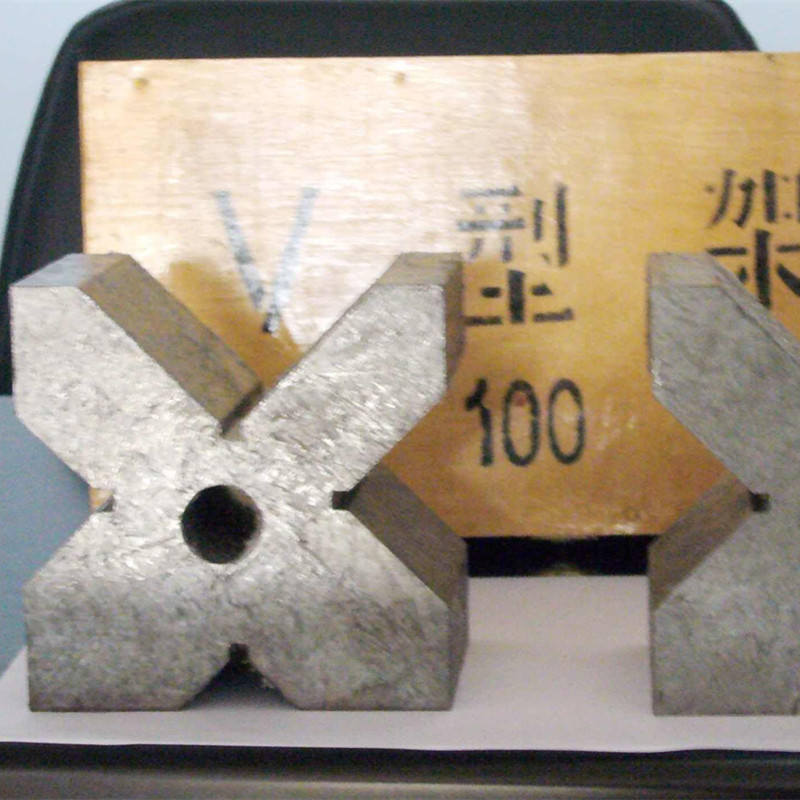
V Blocks for Sale_ Types, Uses, and Best Heavy-Duty Frame V Options
V blocks and Vee blocks are essential tools in machining, metalworking, and inspection processes. Th
Wooden Villa House Truss Repair Using Nail Plates for Enhanced Structural Integrity
Understanding Truss Mending Nail Plates for Wooden Villas In the construction of wooden villas, stru
y type strainer
In the realm of industrial applications, the 3-flanged gate valve remains an indispensable component
 English